The ideas here run from a single strand of beads to a full jester suit, and the rule that picks one is how much time you plan to spend on your feet.
A parade day means 4–6 hours on cracked, uneven pavement, so a costume you can wear in comfortable, broken-in shoes beats a heavier one that looks better in photos.
For an indoor party, go as loud as you like: sequins, feathered collars, graphic sweatshirts and a gold umbrella all work.
1. Mardi Gras Beads
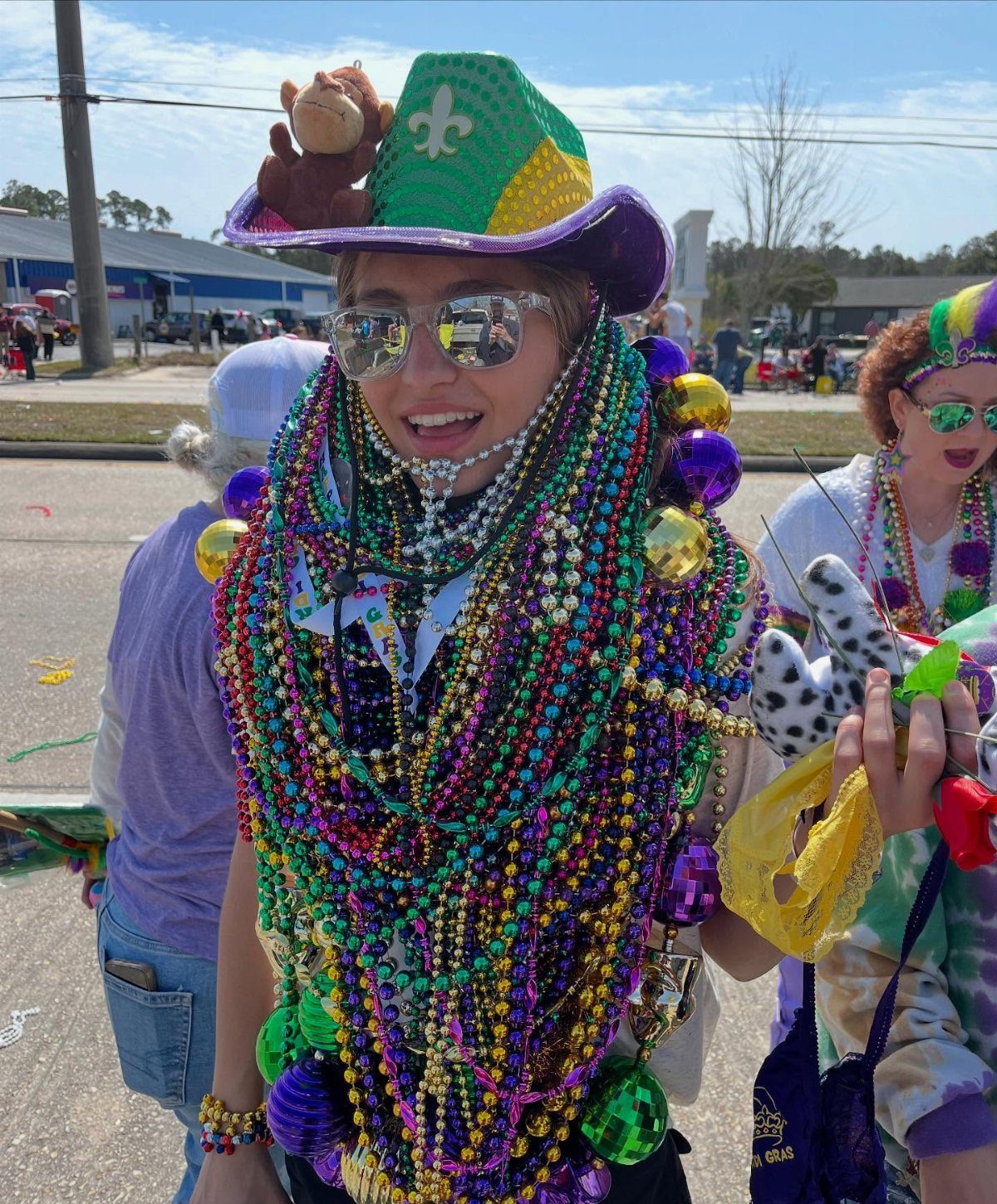
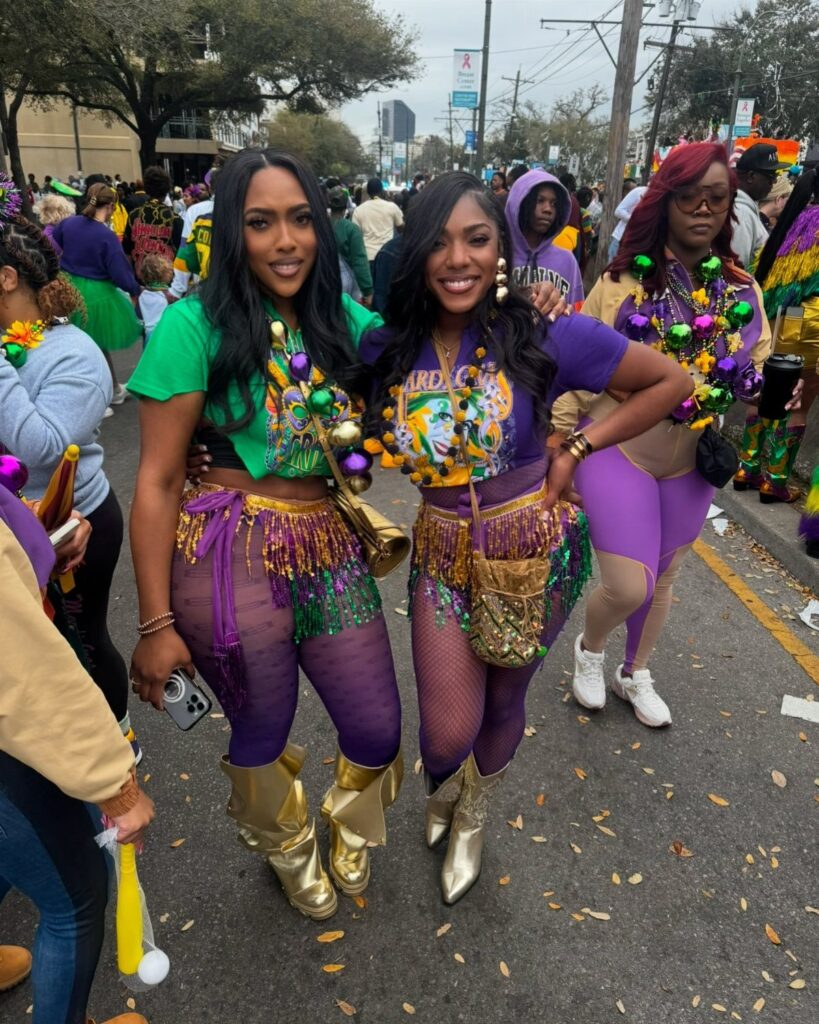
Beads are the one accessory that does the whole job of a Mardi Gras look. Layer purple, green and gold strands until they hang past the chest, and a plain top suddenly reads as a costume.
I would pick a mix of lengths so the strands don’t tangle into one clump. Keep a few spare strands in a bag to hand out, since collecting and trading is half the fun.
2. Family Matching Costumes
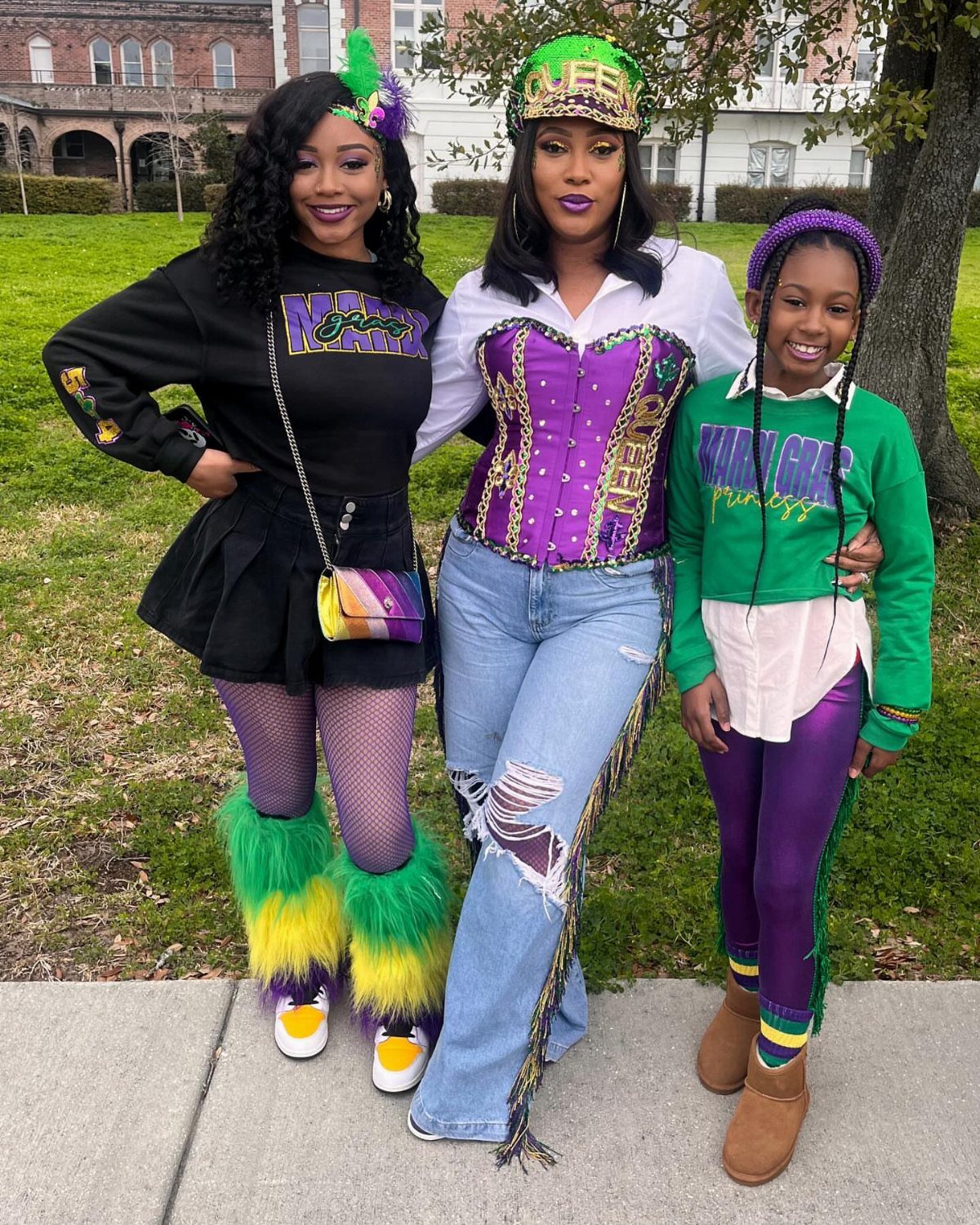
Matching works best when the shirts say who is who. A "Mardi Gras princess" tee for a girl and a "QUEEN" hat for her mom gives every family member a role, and nobody has to wear the same outfit.
Stick to purple, green and gold across all of it, and let each person pick one piece. That keeps the group coordinated without a forced uniform, and kids are far likelier to keep their pieces on.
3. Mardi Gras Colors
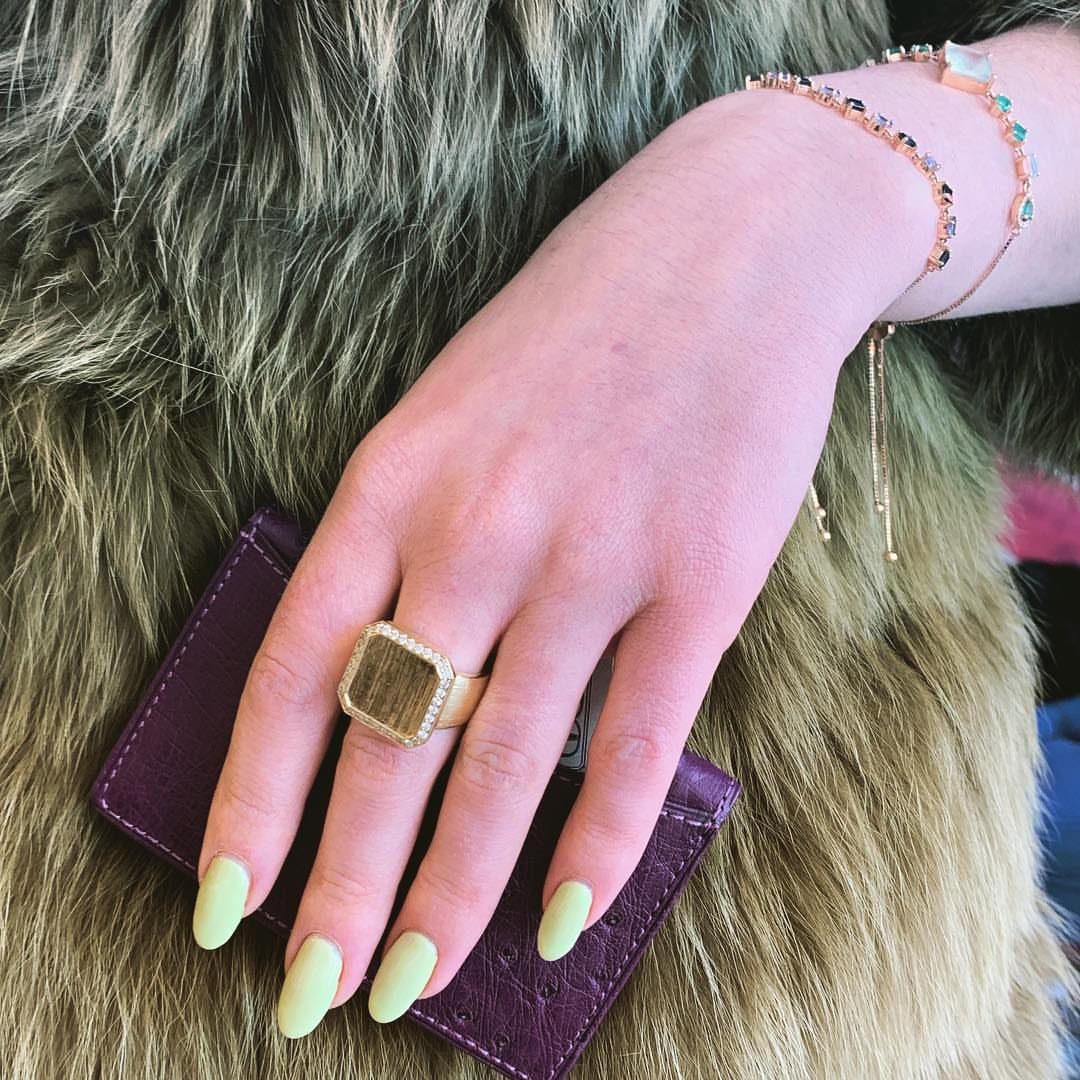
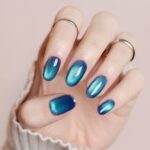
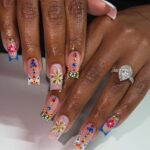
Color alone can carry the look when you don’t want a full costume. Mardi Gras color can be small: lime green nails, a gold ring, a purple wallet, a few bracelets or one bag are enough.
For me this is the easiest way in. Pick one shade for the biggest item, then carry the other two in accessories so the palette looks planned instead of piled on.
Sequins and holographic materials are perfect for Mardi Gras outfits, especially if you can find them in purple, gold, or green.
— JustLuxe
4. Sequin Outfits
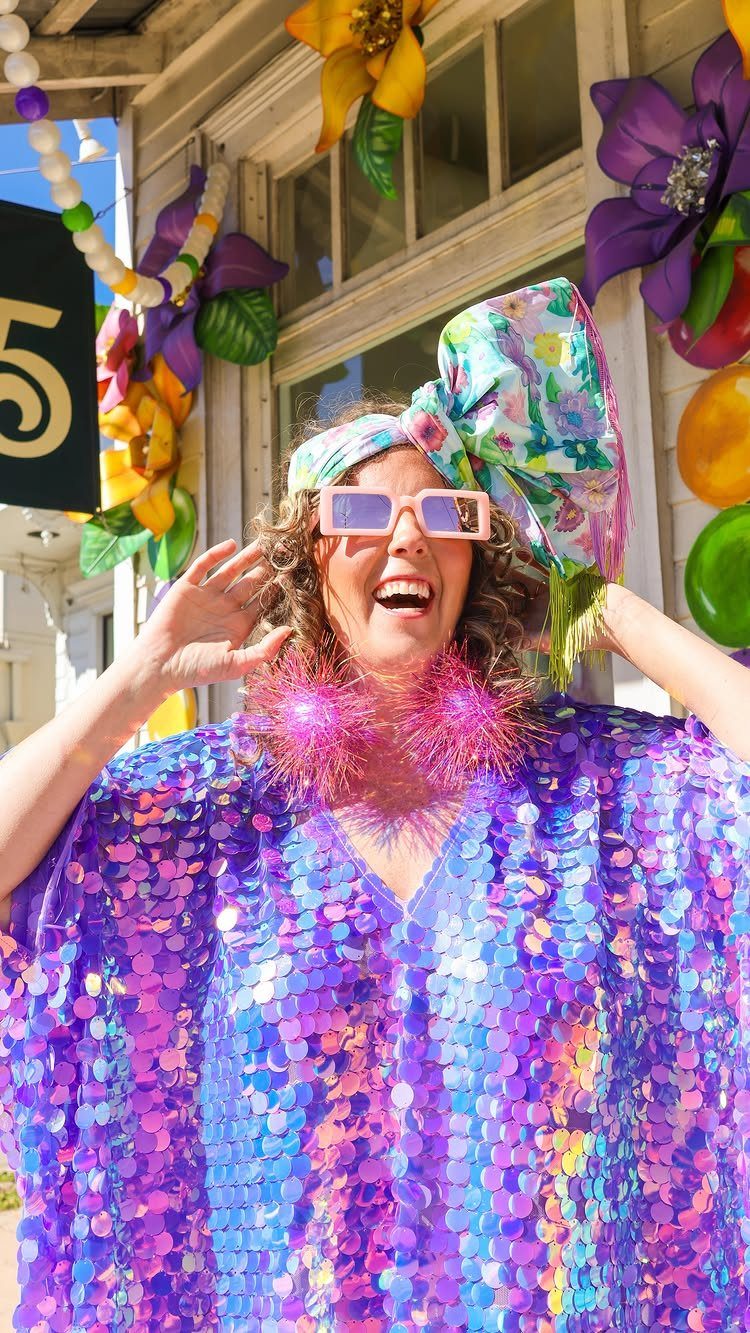
Sequins do the sparkle work for you, which makes a purple sequined top my pick for anyone who wants one standout piece. Pair it with plain bottoms so the top is the loudest thing on you.
A headwrap and sunglasses add personality; after that, stay quiet everywhere else. Sequins catch light all day, so a simple base lets them shine without turning the outfit into a pile of competing shiny things.
5. High-waisted Jeans and Mardi Gras Top
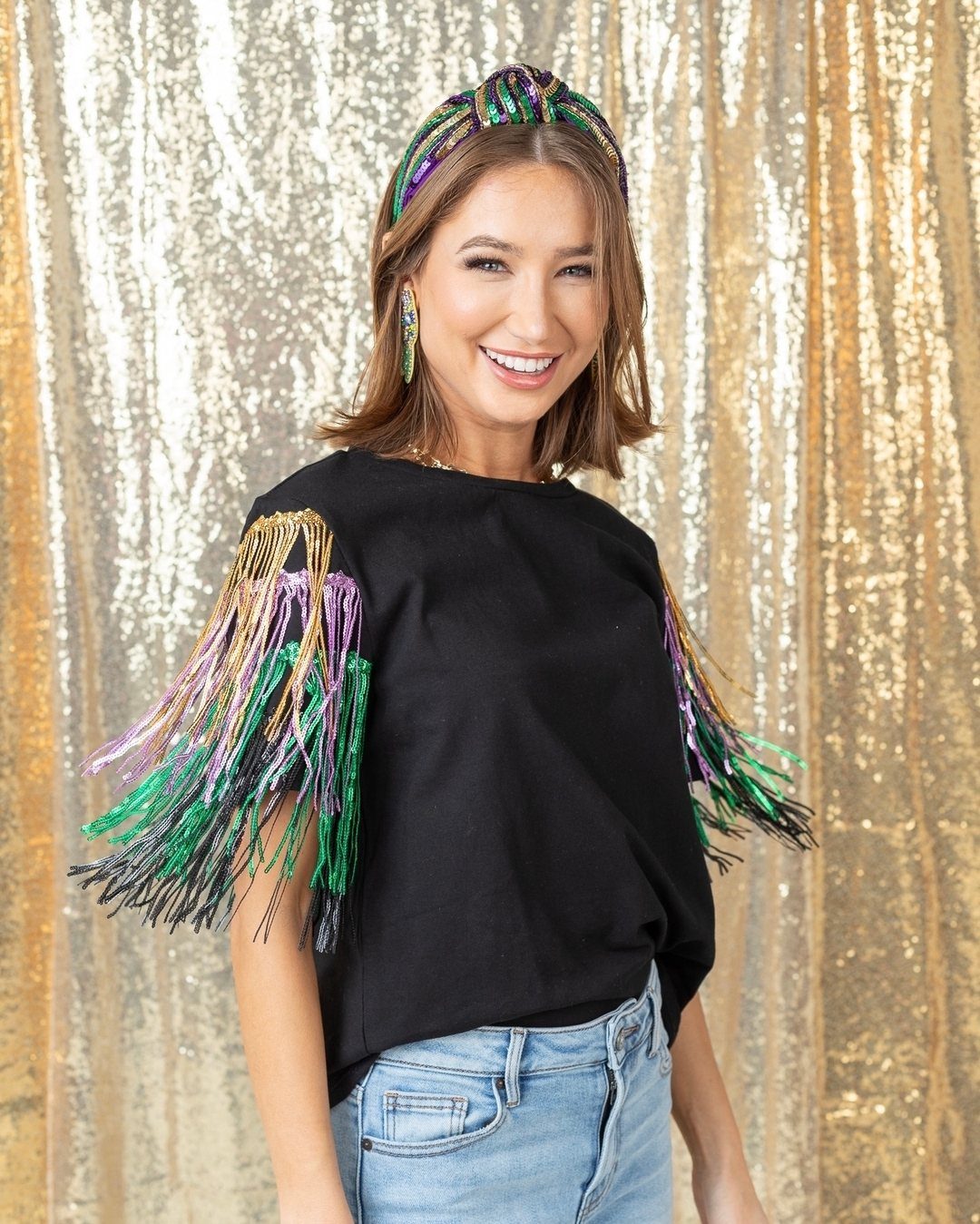
Light blue high-waisted jeans are a smart base because they go with every Mardi Gras color. Put a fringe top on them, ideally black so the colors pop, and finish with a beaded or sequined headband.
This is the outfit for people who want to look festive in clothes they already own. Only the top and headband need buying, which keeps the cost low.
6. Jester Costume
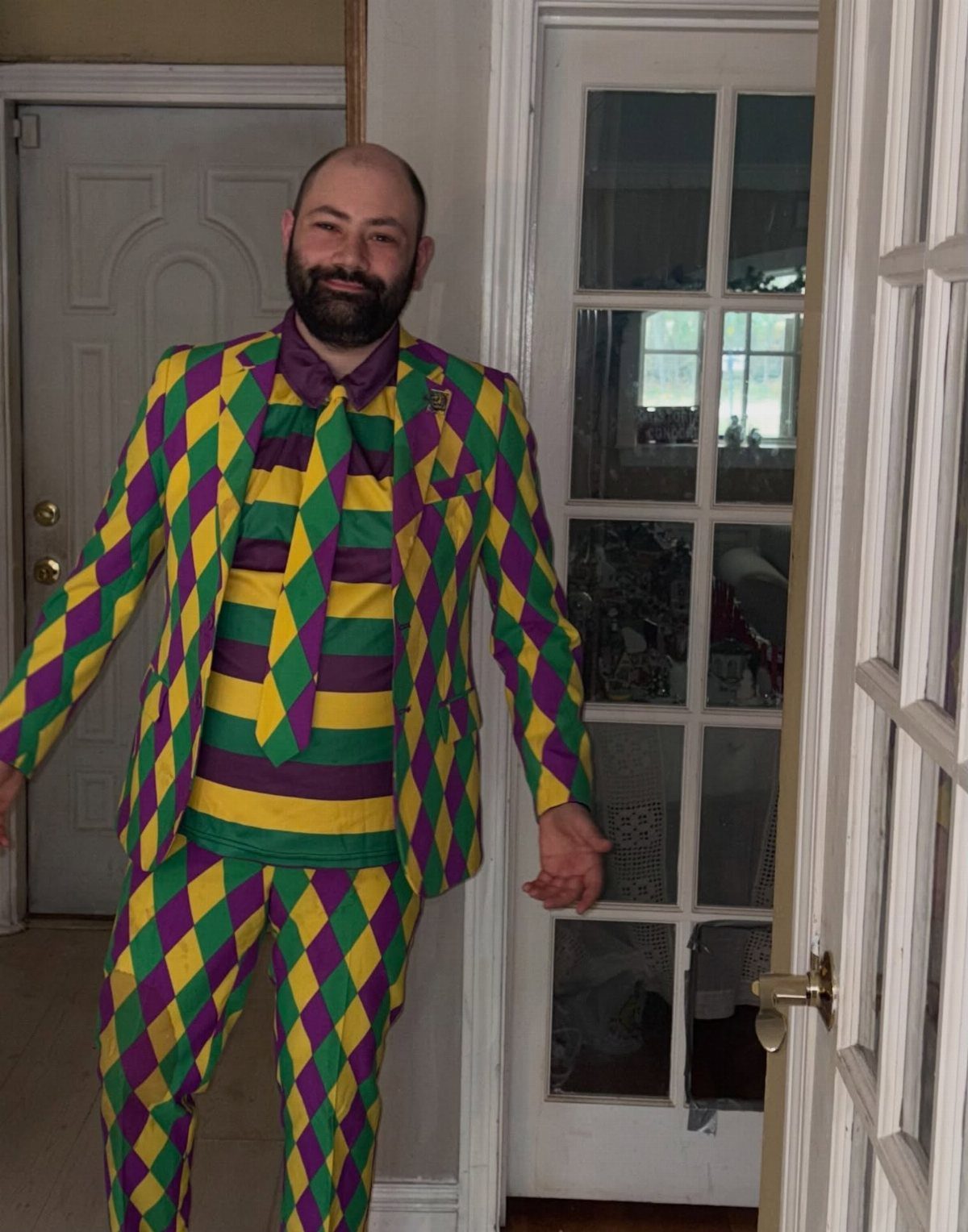
Wearing the whole thing, tie included, is what sells the joke.
I like it for anyone who would rather get laughs than compliments. It is loud and a little silly, so commit to every piece, since a half-jester just looks like a mismatched suit.
7. Flapper Costume
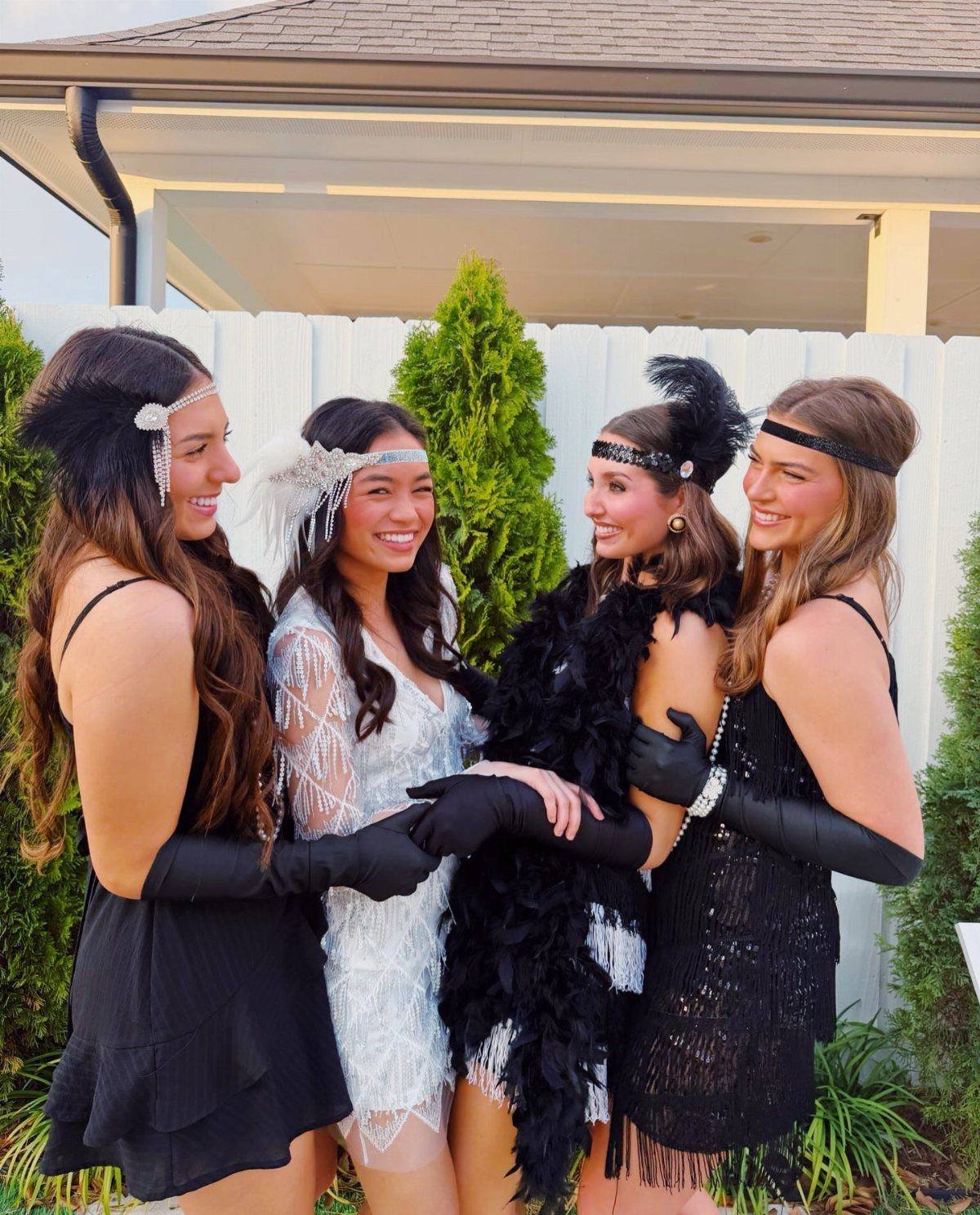
A drop-waist dress, a beaded headband and long gloves are all a flapper look needs, and the gloves do more than you would expect. They pull the outfit together from fingertip to hairline.
I like this one for a group, since a few people dressed alike look like a planned scene. Pick dresses in purple, green or gold so the 1920s shape still reads as Mardi Gras.
A single strand of beads over the dress makes the party connection obvious.
8. Statement Feather and Scale Collar
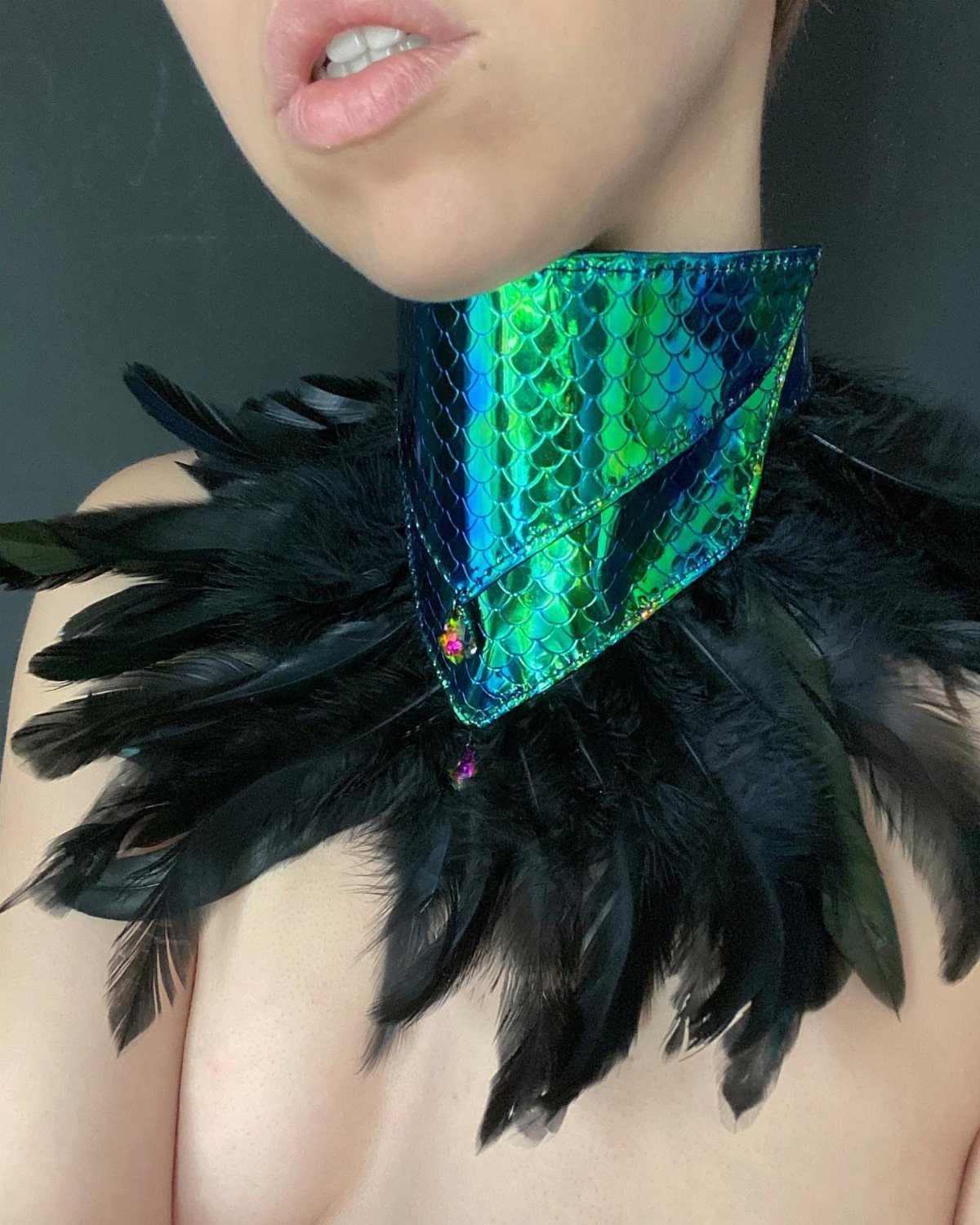
A metallic green scale collar with black feathers and small gems is a single piece that makes a plain top look finished.
Wear it over a solid black or dark shirt so the collar is the only thing asking for attention.
Skip the necklaces.
Layered strands would clash with the texture of the collar, so save the beads for the party itself. Earrings can stay small.
It suits anyone who wants drama without a full costume.
9. Top Hat and Festive Shirt
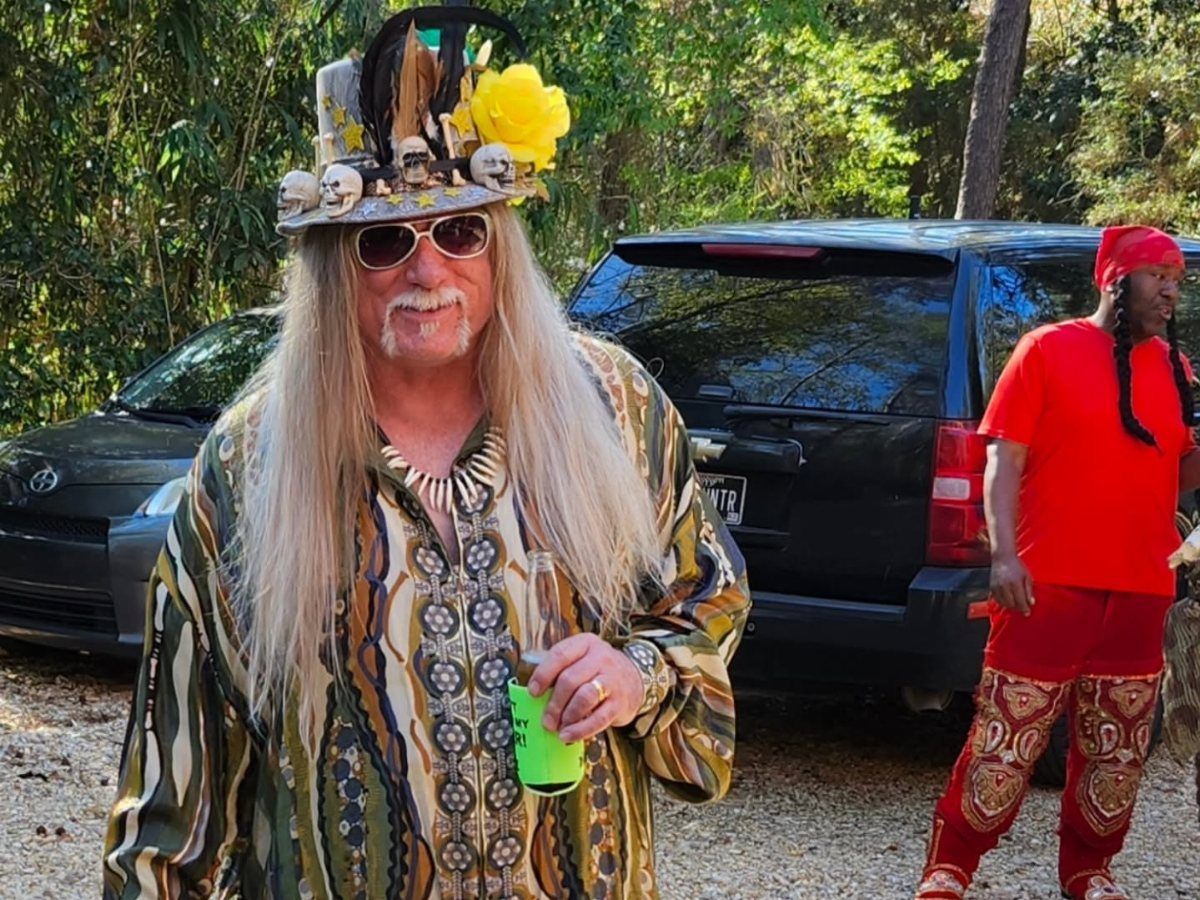
A printed button-down and an embellished top hat make a costume out of 2 pieces.
Let the hat carry the decoration and choose a shirt with a busy pattern in Mardi Gras colors, then wear it open at the collar for a relaxed fit.
I would put the effort into the hat. A skull motif or other trim gives it character, and plain black pants keep the bottom half quiet.
This works well for men who dislike dressing up, because the shirt is something they may already own.
10. Cowboy Hat with Mini Skirt
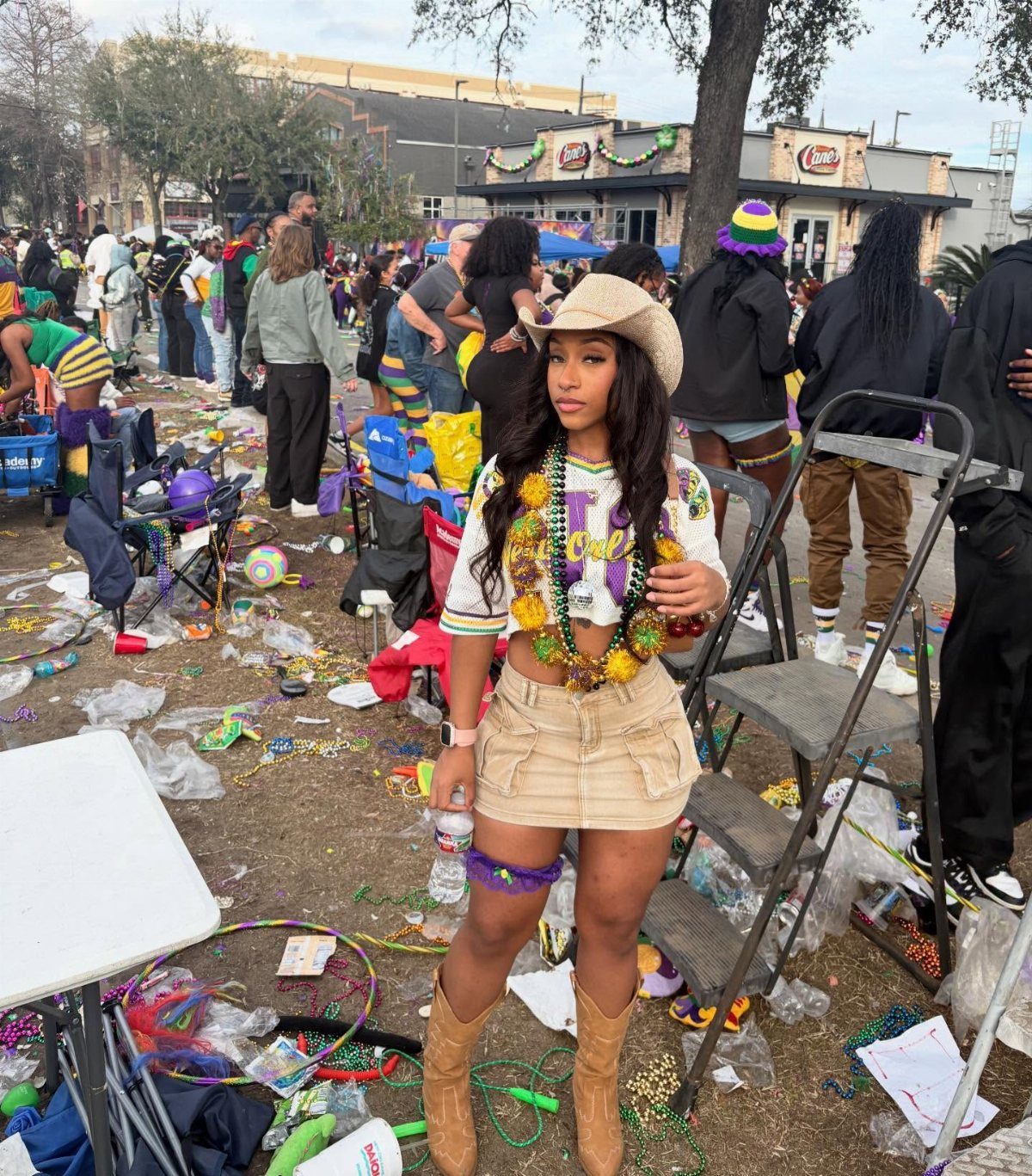
A neutral cowboy hat gives colorful beads a calm backdrop, which is why I prefer tan or cream over a bright hat.
Pair it with a mini skirt, a cropped graphic top and boots, then stack several bead strands on top.
Boots are the right call for a crowded street, since you will be standing and walking for hours. Keep the skirt and hat in the same neutral family so the beads are the only color.
This is an easy outfit to build from a closet.
11. Festive Jerseys with Leg Warmers
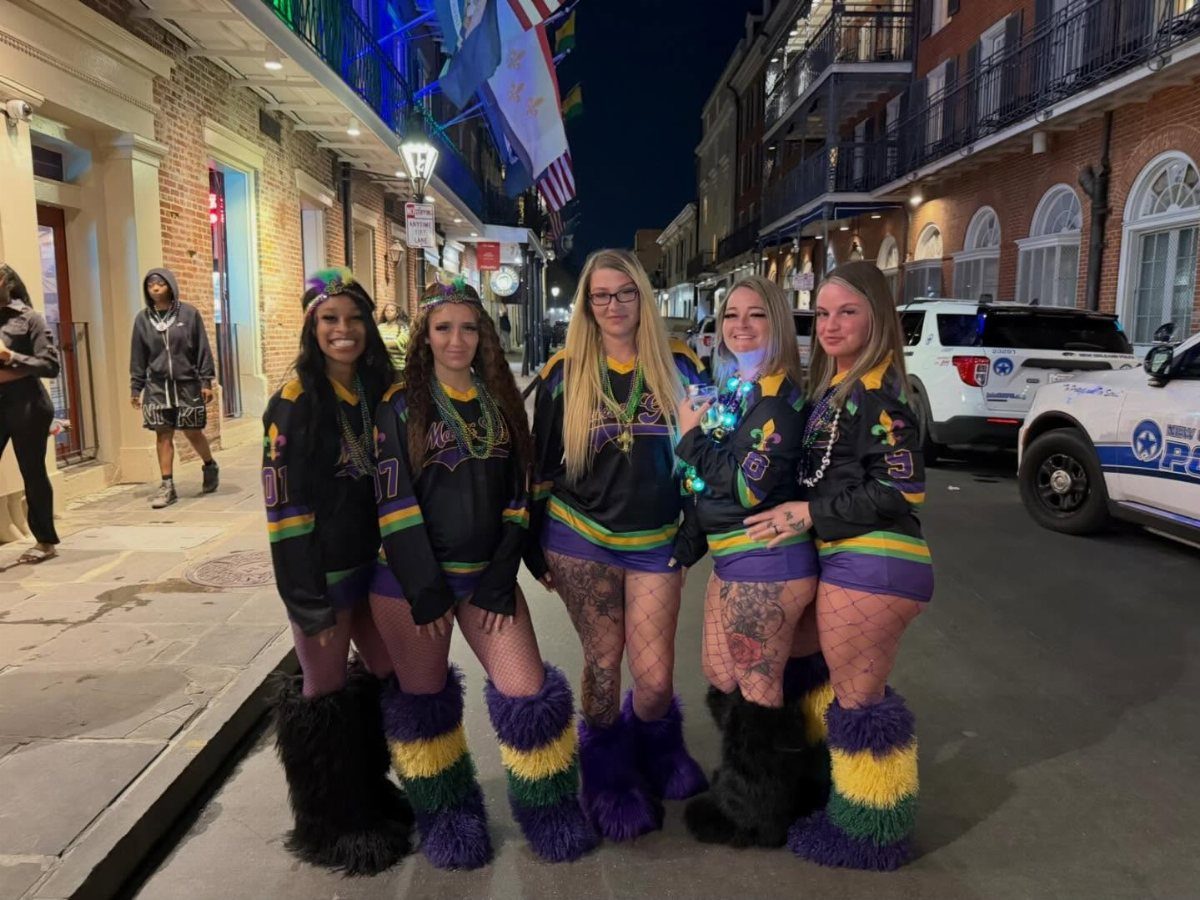
Jerseys in purple, green and gold plus oversized fluffy leg warmers make a ready-made group uniform. Everyone wears a jersey, and the leg warmers repeat the 3 colors in a softer texture.
I would choose leg warmers in all three colors rather than one, so the stripes echo the shirt. Shorts or a short skirt show them off best.
It works for a group of friends because the pieces are simple to match. Agree on the colors ahead of time and each person can shop on her own.
12. Graphic Sweatshirt and Gold Umbrella
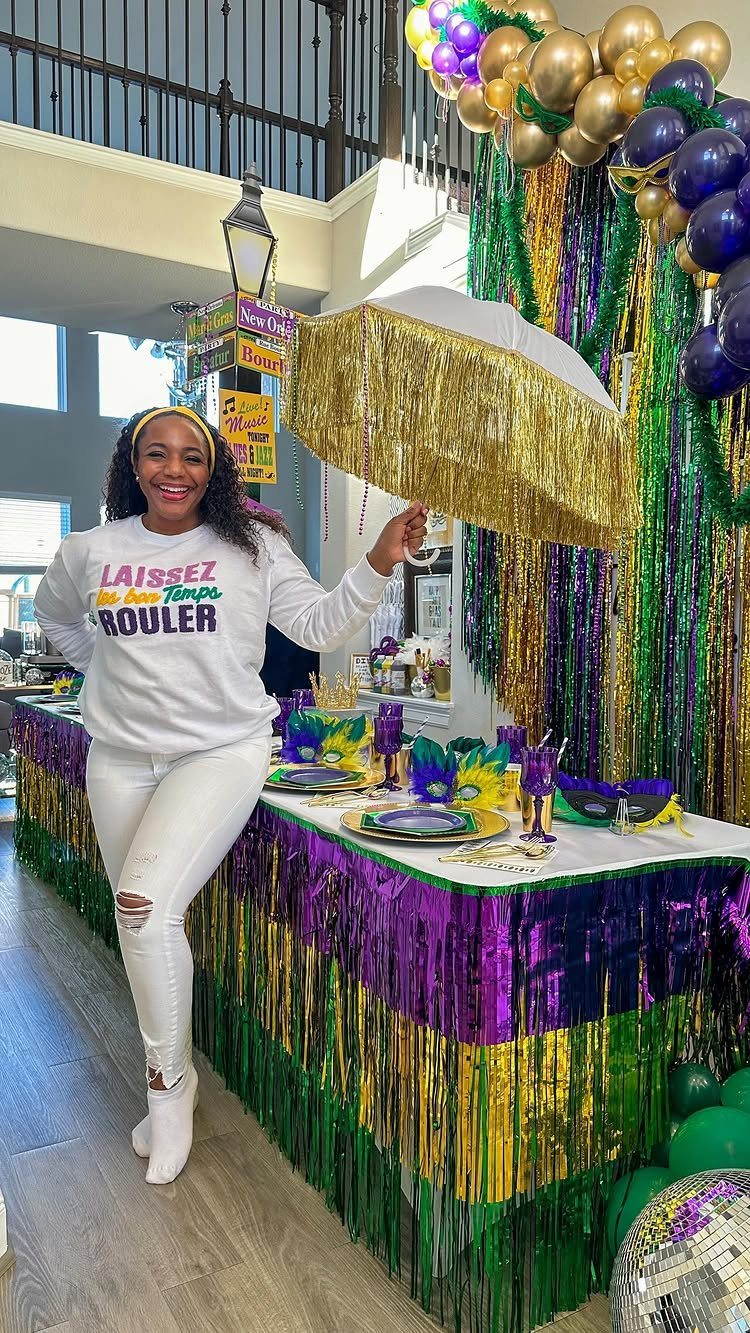
An all-white outfit gives a slogan sweatshirt room to speak. A white sweatshirt reading "Laissez les bon temps rouler" with white pants is comfortable enough to wear all day, and the French phrase says the holiday for you.
The gold fringed umbrella is the one loud piece, so I would carry it instead of adding jewelry or a hat. For more color, drape beads over the top.
White shows every spill, so keep drinks away from your sleeves.
Comfort Is Key
Parade days ask more of your feet than any other part of the outfit.
Parade days mean 4–6 hours on your feet over cracked, uneven pavement, and with crowds for Endymion, Bacchus and Zulu running into the hundreds of thousands, a seat is rare, so shoes get priority over everything else.
Choose broken-in shoes with cushioning, and skip anything new that might rub a blister by hour two.
If a costume piece is heavy or stiff, test it by wearing it around the house for an hour first.
Weather Considerations
February days in New Orleans average a high around 64°F and a low around 47°F, and a swing of 15 degrees or more between morning and afternoon is common, so dress for the cool start and the warm middle of the day.
Build the outfit for afternoon sun first, then add a light jacket that ties at the waist or packs down into your bag. A light scarf or a thin long-sleeve layer under your top is easy to peel off.
Any given day carries about a 24% chance of rain, which is enough reason to tuck a compact poncho into your bag. It weighs almost nothing and saves the whole outfit.
Embrace Extravagance
Mardi Gras rewards boldness, and a costume that looks too loud at home usually looks right on the street.
Feathered masks, elaborate sequins and unusual pieces all fit in, and the more colorful and unexpected the look, the more attention it gets.
If you hesitate between two options, I would take the louder one. Add one more accessory than feels natural, then stop.
Anything goes, so a plain outfit is the only real mistake.
Frequently Asked Questions
What do you wear to a Mardi Gras parade?
Wear broken-in, cushioned shoes and layers you can peel off. You’ll spend 4–6 hours standing on pavement that’s cracked and uneven, and with crowds in the hundreds of thousands, a place to sit won’t come up.
February in New Orleans can shift 15 degrees in a day, from a morning low around 47°F to an afternoon high near 64°F, so bring a jacket you can tie around your waist once it warms up.
Can anyone go to a Mardi Gras ball?
Not always. Krewes are private social clubs that host balls, and many require an invitation with formal dress rules set in advance.
Without the right outfit, you may not get past the entrance, so confirm what the invitation asks for before you leave. Each krewe sets its own rules, and some require specific mask styles or color themes.