The ideas here run from sidewalk chalk that costs next to nothing to a LEGO bunny kit, and the one fact that picks between them is how old your kid is.
Toddlers still mouth small things, so they get slippers, chalk or a character toothbrush, while older kids who have outgrown plush bunnies do better with nail polish, a build kit or a theme built around what they already like.
1. DIY Easter Eggs
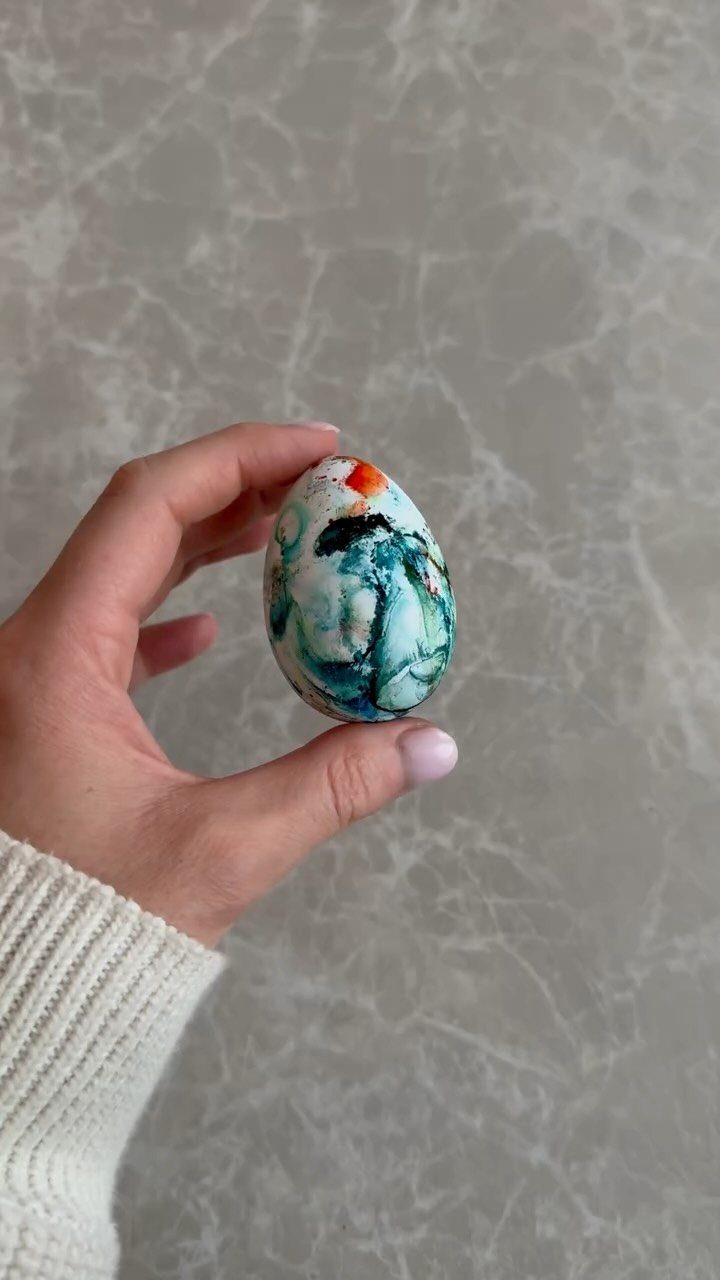
Swirled paint on a plain white egg is a craft that fills an afternoon and leaves a keepsake, which is why I like it for a basket that skips candy.
Hand the kids the paint and let them pick their own colors.
Blue, green and orange make a good trio, and a blown or hard-boiled egg both work. Set the finished eggs in the basket as the main event, with the paint still drying on the table.
2. LEGO Easter Bunny Kit
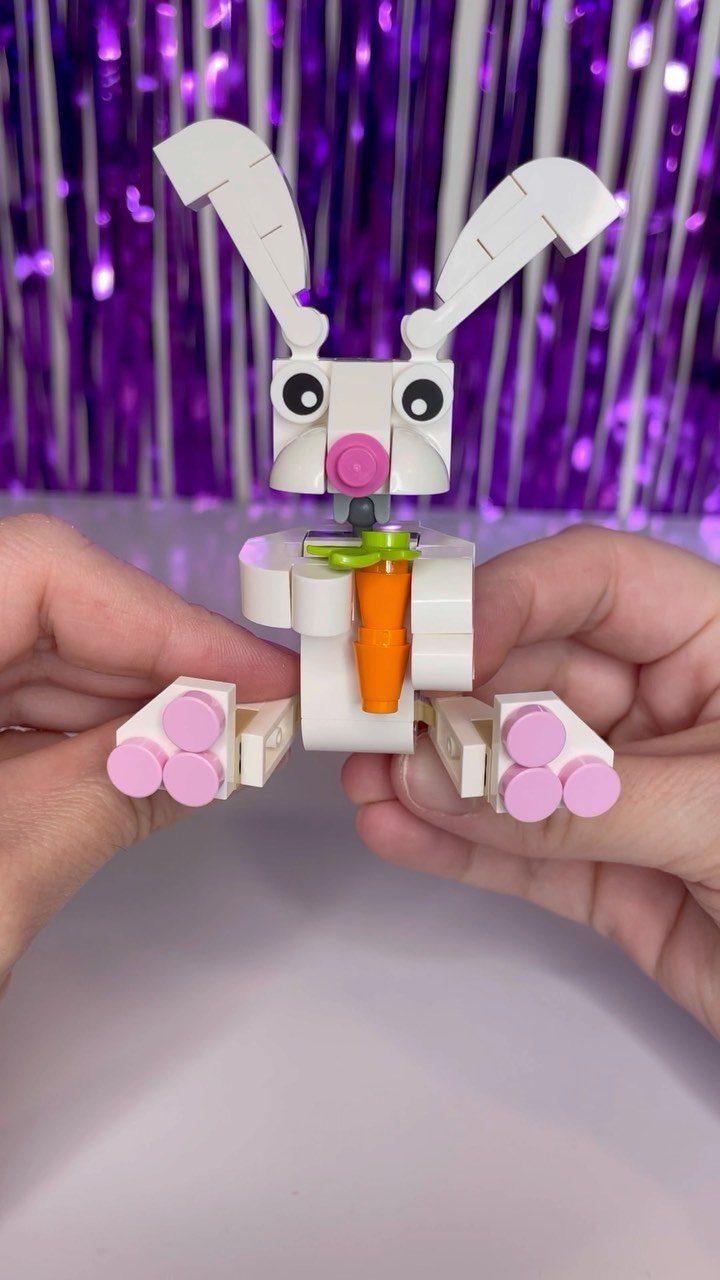
A small LEGO bunny holding an orange carrot gives a builder something to do after the egg hunt ends. Because it’s a kit, the basket holds an activity instead of a snack.
I’d tuck it in near the top so it’s the first thing found. Check the piece count against your child’s patience before buying; a bigger set can wait for a rainy afternoon.
There’s just something that makes sense about gifting an activity for Easter.
3. Sidewalk Chalk
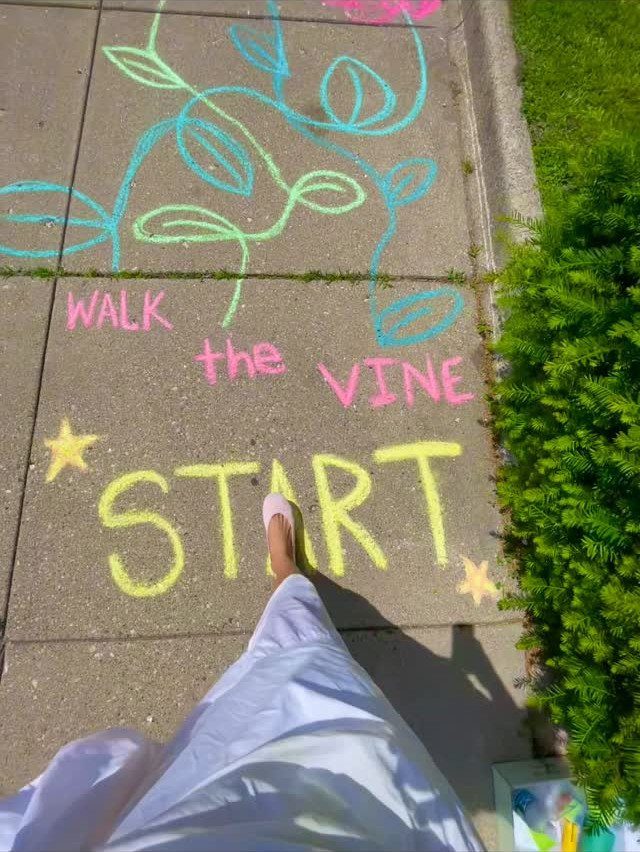
Chalk turns a driveway into a game board, and a bundle of sticks fits easily in a basket. Kids can draw a course with a "START" line, like a path to follow, then hop along it.
Buy a big tub if you have several children, since sharing runs out fast. Chalk costs little and gets the kids outside once the hunt is done.
4. Fun Toothbrush
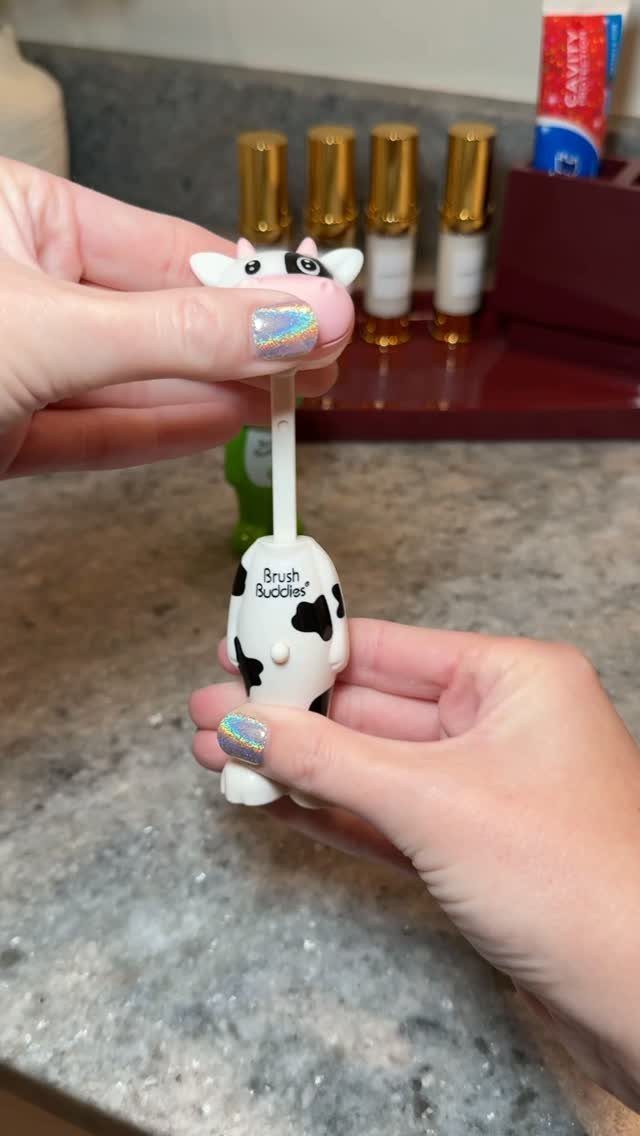
Brushing teeth is a chore until the toothbrush is a cow. A character brush with animal figures on the handle grip gives a small child a reason to look forward to bedtime.
It also lines up with the no-candy goal, a pleasing bit of sense for parents. Pair it with a fresh tube of toothpaste in a flavor your child likes, and the gift feels complete.
5. Nail Polish
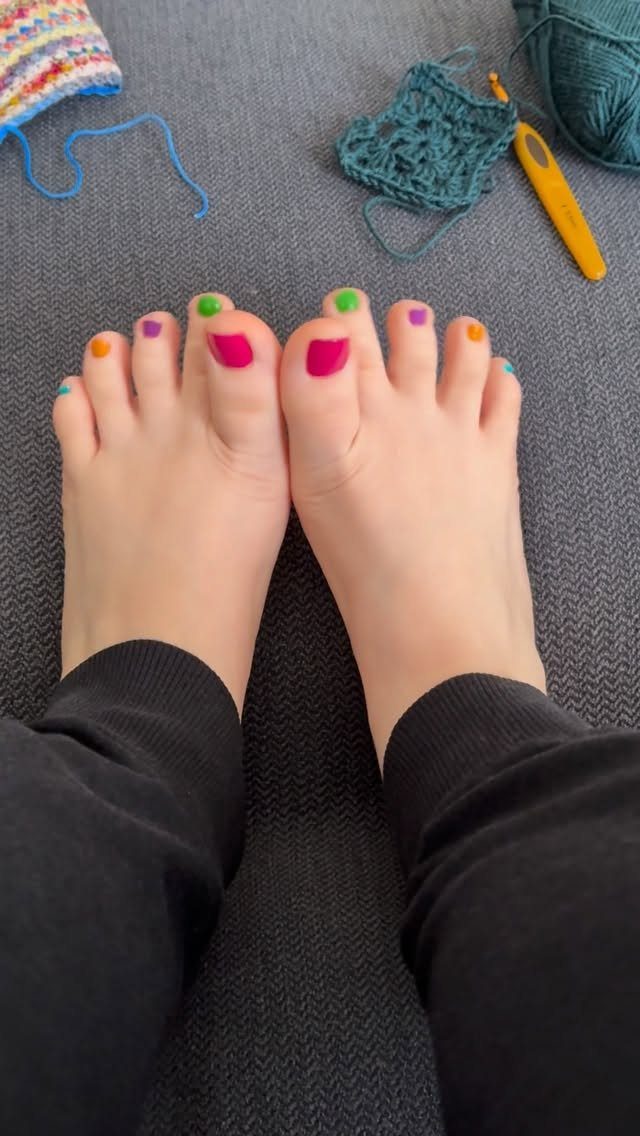
Older kids often outgrow plush bunnies, but a few bottles of nail polish still land well. A set of different colors lets them mix a new shade on every toe or fingernail.
Pick bright shades over pastel ones, since multicolor looks fun on toes. Add a pair of toe separators so the first attempt goes cleanly, and let them practice on a Sunday afternoon.
6. Miniature Figures
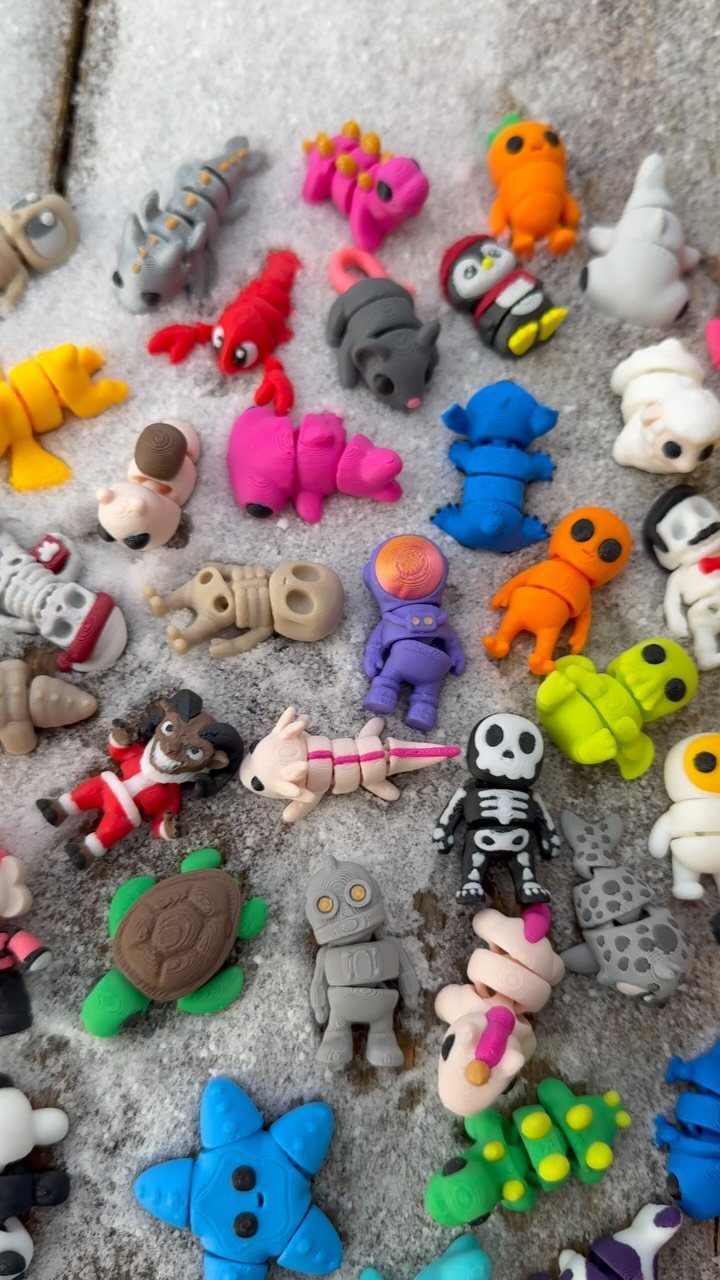
Tiny plastic figures in assorted colors are cheap, light and endlessly reusable in play. A handful scattered through the basket’s filling feels like a treasure hunt in itself.
I’d choose one theme, such as animals, so the set feels collected instead of random. They suit kids who build whole worlds on the floor, and they are small, so keep them away from toddlers who still mouth things.
7. Bunny Slippers
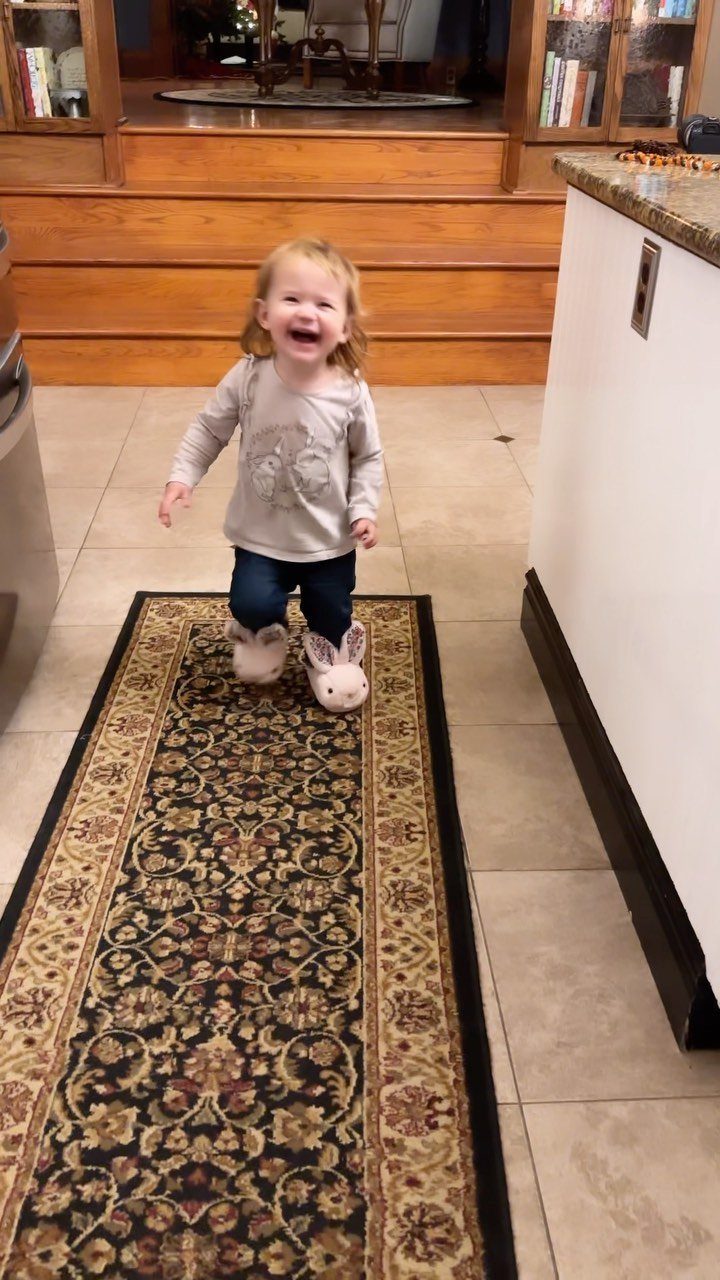
Plush white bunny slippers make a silly gift that a young child will wear the same afternoon. Look for non-slip grippers on the soles, since smooth kitchen and hallway floors are where socked feet slide.
I’d pick them over another stuffed toy for a basket without candy, because they get worn daily instead of shelved. Size up slightly if your child is between sizes.
8. Easter-themed Items
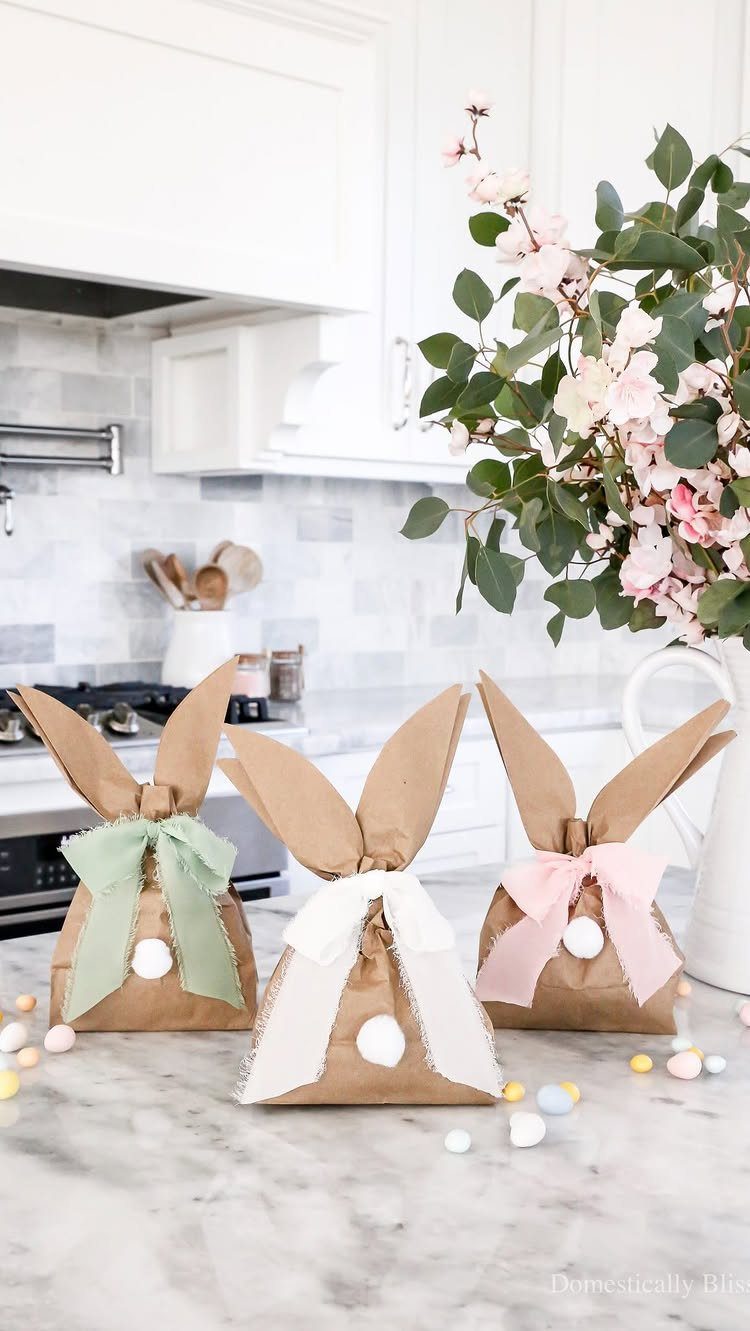
Brown paper bags folded into bunny faces, with cotton ball tails and ribbon, turn the basket itself into part of the gift. Each child gets a bag, and the filling inside stays candy-free.
Making them costs next to nothing: lunch bags, cotton balls and some ribbons. Fold them the night before so the glue or tape sets, and add a name tag on the ribbon so siblings don’t swap.
Benefits of Non-Candy Baskets
The National Retail Federation tracks Easter candy sales at $2.4 billion a year, which gives you an idea of how much room there is to spend differently.
That sugar adds up for small teeth, and tooth decay and cavities are the cost parents most often want to avoid.
A basket is one of the few places where you control every item. Fill it with things that get kids making, moving or playing outside, and the sugar drops without the basket feeling empty.
Pick two or three items that match what your child already enjoys. A basket built around their interests reads as a real gift, not a candy substitute.
Themed Baskets
A theme makes shopping faster, because it tells you what to skip. Choose one interest and fill the basket around it.
For a summer theme, think flip-flops, sunglasses, water toys, goggles or a new bathing suit. Easter often falls close enough to warm weather that these get used within weeks.
Team gear fills a sports basket fast: a cap in their colors, a jersey, trading cards or a pair of tickets. Tickets also give you something to look forward to after the holiday.
For an art theme, stock crayons, colored pencils, playdough, paint and brushes. Those keep kids busy for a long stretch of the day, which helps when relatives are visiting.
Eco-Friendly Options
Start with the basket itself. A wicker basket used year after year outlasts any disposable option, though what you already have works just as well: a canvas tote, a wood crate or a big glass jar.
For filler, skip the plastic grass.
Then choose gifts that get used instead of tossed. Reusable straws, zippered reusable bags for lunches, and organic snacks all fit.
Gardening supplies and tools make a good fit for older kids who like to dig. Consumable gifts such as tea, honey or a soy candle bring joy and leave no plastic pile behind.
Frequently Asked Questions
What can I put in an Easter basket instead of candy?
Choose activity-based fillers: art supplies, outdoor toys, craft kits, small books, or accessories tied to what they already enjoy doing. Honey, tea and soy candles also work for teens and adults.
How do I make an Easter basket more eco-friendly?
Start with a container you can reuse, such as a wicker basket, canvas tote, wood crate or big glass jar, and skip the plastic grass. Natural fillers like kraft paper, fabric strips or raffia replace it.
Then fill the basket with gifts that get used up or used often, like honey, tea, a soy candle, reusable straws or gardening tools, so no plastic pile is left behind.